
 Print
PrintUWMC Stock Climbs As Inflation And Jobless Claims Fuel Fed Rate Cut Speculation
BY Benzinga | ECONOMIC | 09/11/25 03:55 PM EDTShares of UWM Holdings Corp
What To Know: This morning’s economic releases showed a surprising jump in jobless claims to 263,000, the highest level since 2021, signaling a potential cooling in the labor market. Simultaneously, the Consumer Price Index for August rose 2.9% year-over-year, with a monthly increase of 0.4%, exceeding expectations and indicating persistent inflationary pressures.
This stagflationary environment puts the Federal Reserve in a difficult position. However, the weakening labor market is leading to widespread expectations of a 25-basis-point interest rate reduction next week. For a major mortgage lender like UWMC, lower rates could stimulate borrowing and refinancing, improving the outlook for the housing market.
Benzinga Edge Rankings: Reinforcing the stock’s positive performance, Benzinga Edge data shows a bullish price trend for UWMC across short, medium and long-term timeframes.
<figure class="wp-block-image size-full">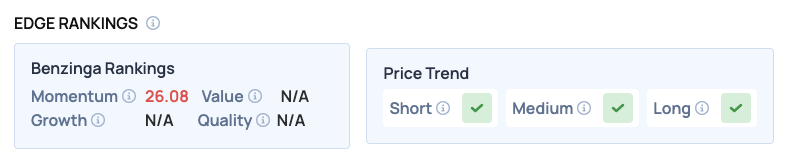 </figure>
Price Action: According to data from?Benzinga Pro, UWMC shares are trading higher by 1.84% to $6.92 Thursday afternoon. The stock has a 52-week high of $9.25 and a 52-week low of $3.80.
Read Also: Rocket Companies Stock Is Trading Higher: What’s Going On?
How To Buy UWMC Stock
Besides going to a brokerage platform to purchase a share – or fractional share – of stock, you can also gain access to shares either by buying an exchange traded fund (ETF) that holds the stock itself, or by allocating yourself to a strategy in your 401(k) that would seek to acquire shares in a mutual fund or other instrument.
For example, in UWM Holdings’ case, it is in the Financials sector. An ETF will likely hold shares in many liquid and large companies that help track that sector, allowing an investor to gain exposure to the trends within that segment.
Image: Shutterstock

